

In 2026, smart construction technologies are transforming the industry by integrating AI, IoT, digital twins, robotics, and sustainable practices to address labor shortages, enhance efficiency, and reduce environmental impact. Recent reports highlight a shift from experimental adoption to mainstream implementation, driven by data-driven decision-making and automation. For instance, the number of smart buildings globally is projected to exceed 115 million this year, up from 45 million in 2022, enabling real-time monitoring of energy, structural health, and occupancy. This growth is fueled by corporations like Autodesk, Johnson Controls, and Procore, with practical applications in predictive maintenance, modular construction, and AI-optimized workflows.
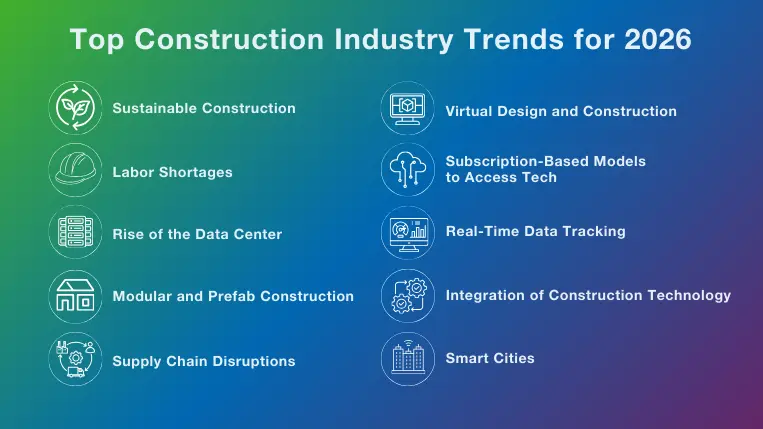
Key Trends and Practical Data
Based on recent analyses from renowned sources, here are the primary trends shaping smart construction in 2026, with supporting data and examples:
- AI and Automation Integration: AI is accelerating from insight generation to autonomous operations, handling repetitive tasks like quality control and risk assessment. Projects using AI-driven platforms report 15-30% energy reductions and 40% less rework. Automation addresses labor gaps, with 37% of companies now using AI (up from 26% in 2023), and an average of 6.2 digital tools per organization. Practical example: Built Robotics' autonomous excavators reduce grading costs by 30% while improving precision.
- IoT and Smart Buildings: IoT sensors enable real-time data for energy optimization and predictive maintenance, making smart buildings the standard. Adoption is non-negotiable for efficiency, with platforms like Johnson Controls' OpenBlue automating responses to external factors (e.g., adjusting heating during snowstorms to cut costs and emissions). Data shows IoT accelerating in facilities, reducing maintenance costs and supporting sustainability goals. In hybrid workspaces, AI security and occupancy analytics are key, with market growth projected over 200 billion USD by decade's end.
- Digital Twins and BIM: Digital twins link BIM models to live data for simulation and collaboration, standard in major projects. They reduce rework by 40% and enable "smart jobsites" with real-time analytics. Modular construction with digital twins is rising due to labor shortages, improving schedule certainty and risk mitigation.
- Sustainability and Smart Materials: Focus on low-carbon innovations like biochar, calcined clay, and recycled concrete. Smart materials are mainstream in high-performance projects, with deep retrofitting via IoT for energy/water monitoring. Sustainability ties to business value, with tools like OpenBlue Net Zero tracking emissions for reinvestment.
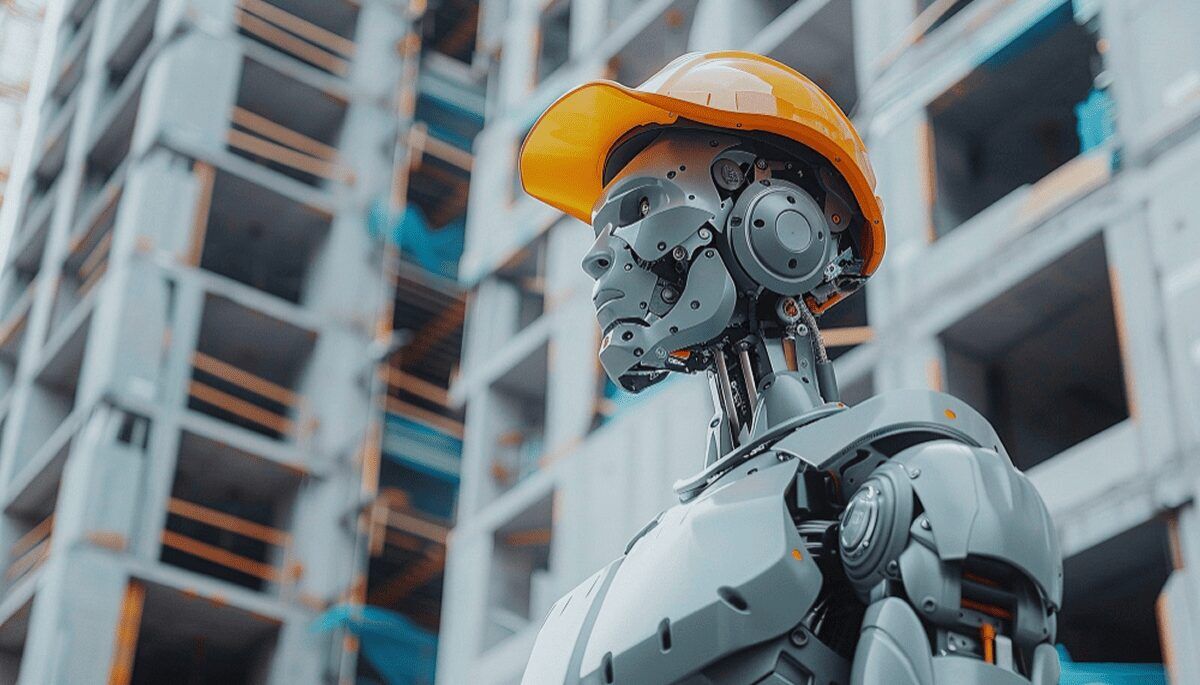
- Robotics and Predictive Analytics: Robotics handle safety-critical tasks, with wearables and AR/VR for precision. Predictive tools forecast risks, and connected platforms integrate field data for better visibility. Example: Drones and 3D scanning in prefabrication cut timelines.
Insights from Experts, People, and Corporations
- Autodesk Experts (from Digital Builder Blog): Kassem Ben Abid (BESIX) emphasizes IoT for smart buildings, reducing costs via sensors. Alireza Borhani (Massport) highlights automation for integrated workflows and data analytics. Craig Lewis (DPR Construction) describes "smart jobsites" as mission control with AI field data. Corporation-wide, Autodesk stresses AI survival amid shortages.
- Johnson Controls Leaders: Jennifer Heath and Julius Marchwicki predict AI for operational optimization and sustainability as growth catalysts, with examples like weather-responsive energy savings. OpenBlue platforms unify data for interoperability in large portfolios.
- Other Corporations: Deltek notes technology as "non-negotiable" for data-driven strategies against shortages. Holcim focuses on innovations like advanced concrete recycling. Procore (though details limited) discusses AI agents and ambient data capture for transformation. From X, events like bauma CHINA 2026 showcase smart machinery from firms like Hyundai.
These trends are substantiated by sources like McKinsey-inspired reports, Deloitte parallels in digital shifts, and industry bodies like NAWIC, emphasizing practical ROI in efficiency and sustainability. For implementation, firms should prioritize integrated platforms and standards like ISO 19650.

Post a Comment
0Comments